Delivery Complications in Which to Use a Fetal Heart Monitor
The labor and delivery unit was full and. Internal fetal monitoring A transducer is a small patch-like object attached to a wire.

Monitoring The Fetal Heart In Pregnancy And Labour Nurse Key
The mother has pre-eclampsia or diabetes.
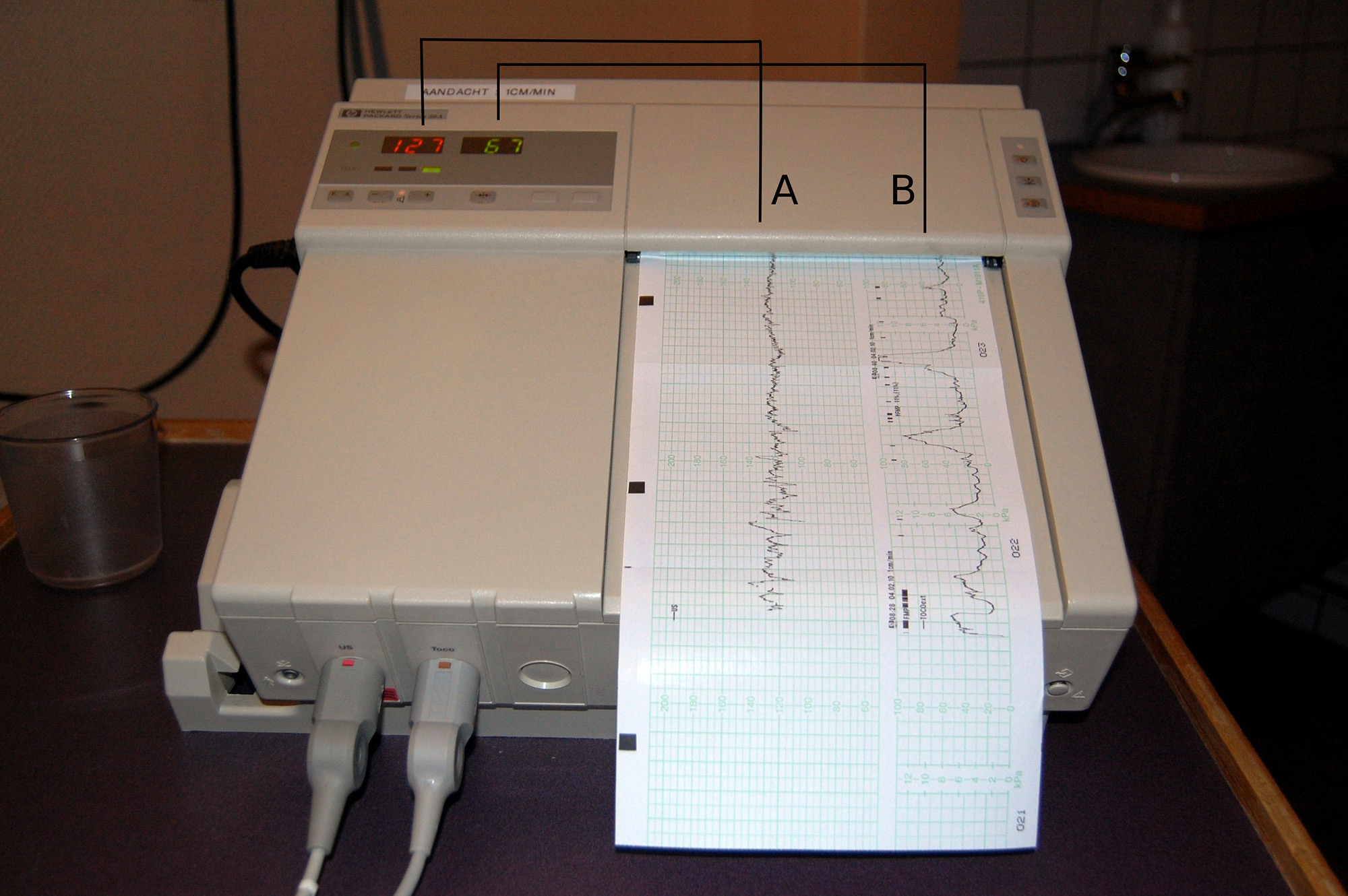
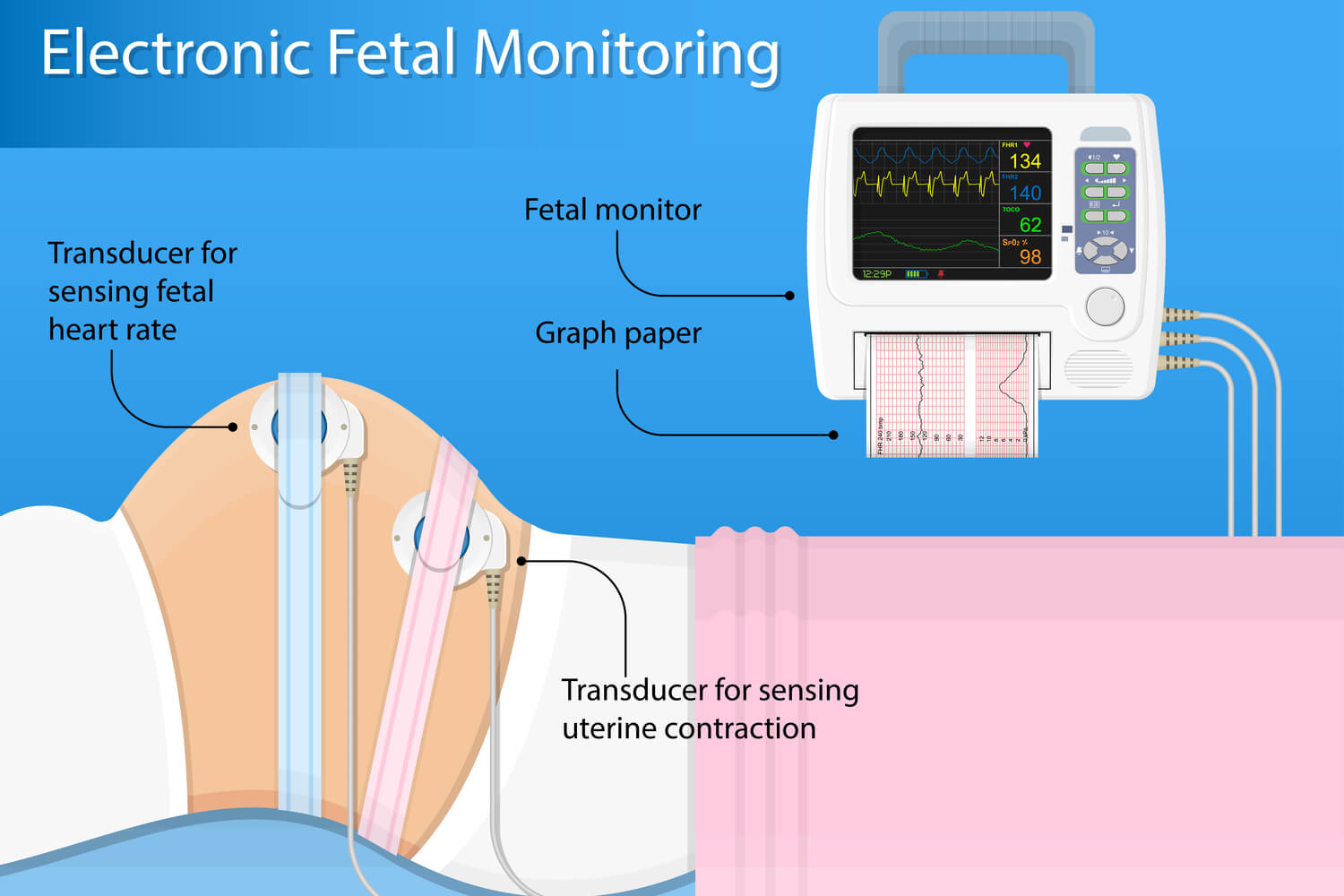
. The woman has diabetes or high blood pressure. During high risk pregnancies. They do this by attaching either externally and non-invasively or internally to detect the fetal heart and each uterine contraction.
Fetal tone 1 or more episodes of active extension with return to flexion of fetal limbs or trunk 4. It can vary by 5 to 25 beats per minute. B delivery of a healthy baby.
Electronic fetal monitoring EFM has become routine in the assessment of fetal wellbeing during labour. The woman is taking prescribed medicine for preterm labor. Certain factors can reduce the accuracy of fetal monitoring including.
External monitoring uses electrodes placed on the mothers abdomen to detect the heart rate. Listen to a normal fetal heart beat. Cesarean Delivery and Fetal Monitoring.
The fetus isnt growing or developing normally. A fetal heart monitor can be used both internally and externally. Fetal Diseases complications Gestational Age Heart Defects Congenital complications.
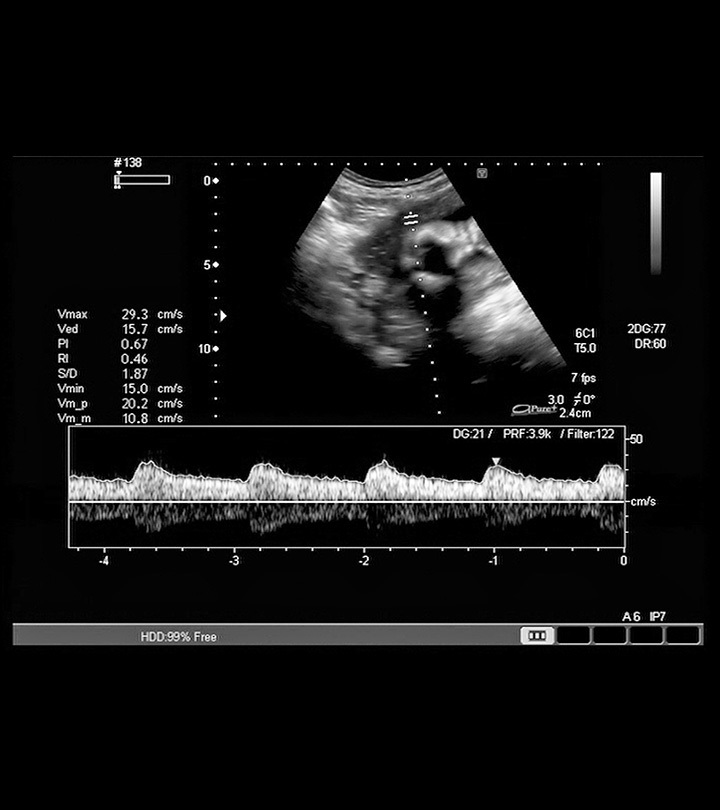
A fetal heart monitor is a handheld Doppler device that uses ultrasound technology to listen to a babys heart during pregnancy. Delivery Complications in Which to Use a Fetal Heart Monitor Get link. Qualitative AFV amniotic fluid volume.
D prevention of a vaginal lacerations. Decreased BP a prolonged fetal heart rate deceleration was noted from 60-100bpm x 3 minutes with minimal variability and a return to baseline of 150bpm. Fetal heart monitoring is as its name implies is an important way to check on a babys heart rate during labor and delivery.
Current evidence indicates that the routine use of EFM leads to an increased caesarean section and operative vaginal delivery rate and a reduction in the. These high-risk circumstances include the following. However despite its high rate of use fetal monitoring has not been proven effective in decreasing infant or maternal mortality or.
FHRM is a method that helps to identify the early signs of fetal hypoxia. However using electronic fetal monitoring increases the chance of having a forceps-assisted vacuum-assisted or C-section delivery. The concomitant use of FSE and IUPC drove the association between an increased BMI and a higher prevalence of internal monitor use.
Your provider may do fetal heart monitoring during late pregnancy and labor. After resolution of the fetal heart rate deceleration the nurse received a new admission with several complications. Changes in a babys heart rate does not always mean there is a problem.
This study describes the use of intrapartum electronic fetal monitoring in Ireland. An abnormal fetal heart rate is an important sign of fetal distress which is an indication that a fetus is not getting enough oxygen. Fetal scalp electrode plays a key role in intrapartum fetal surveillance when there is a non-reassuring fetal.
Equivocal warranting further sampling. 1 Baseline variability can be assessed more reliably with the FSE than with Doppler from external monitoring as sometimes the signal from the latter is difficult to time accurately. Starting some time in your second trimester your practitioner will use one to check your babys heart rate and rhythm which can offer insight into how your sweet pea is growing and developing in utero.
Labor and delivery due to complications such as umbilical cord problems uterine hyperstimulation or placental issues. This lets your healthcare provider see how your baby is doing. Basic Fetal Heart Monitoring I Class I Healthcare Provider I Nursing Los Angeles Improper Heart Rate Monitoring Birth.
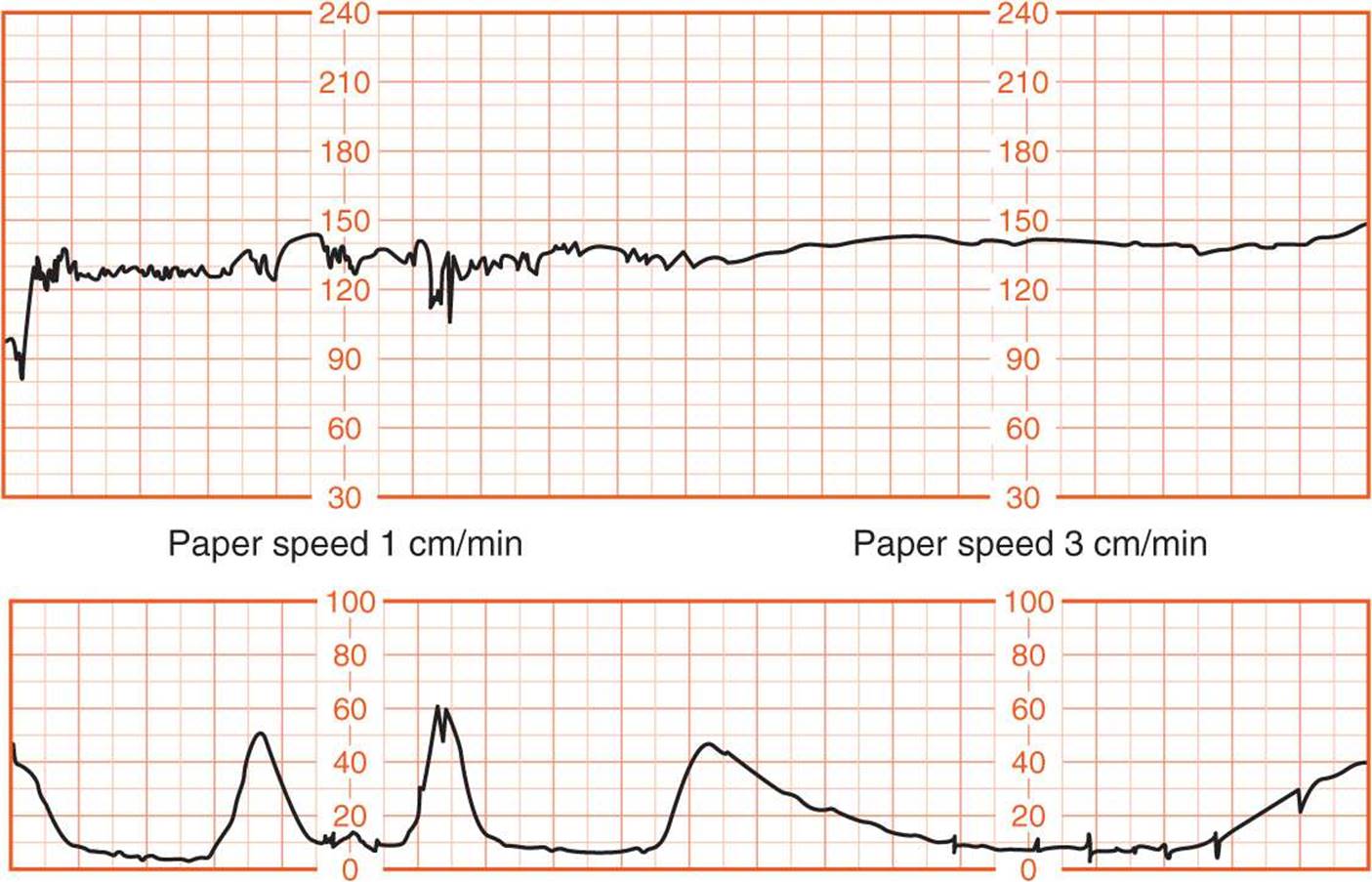
The doctor is more likely to use fetal heart rate monitoring when a womans pregnancy is high-risk. A woman has been in the second stage of labor for 2 12hrs. Electronic fetal monitors continuously record the instantaneous fetal heart rate on the upper channel and uterine contractions on the lower channel.
C safe pain medication. The fetal blood pH is. It may be done if the fetus has a slow heart rate due to an arrhythmia so that the obstetrical team cannot monitor the well-being of the baby during a vaginal delivery.
Reactive FHR Fetal Heart Rate 2 or more episodes of acceleration of 15 bmp and of 15 s associated with fetal movement within 20 min 5. The average fetal heart rate is between 110 and 160 beats per minute. Fetal scalp electrode FSE is a spiral wire placed directly on the fetal scalp.
If it has been recommended that your baby needs to be delivered by cesarean this is usually done at term if there is appropriate fetal growth. Fetal heart monitoring measures the heart rate and rhythm of your baby fetus. Fetal Heart Rate Monitoring During Labor.
Medical professionals can detect oxygen deprivation by looking at the babys heart rate. Fetal monitoring is used more than any other obstetrical intervention reported to be used in more than 85 of hospitals in 2010 ACOG Practice Bulletin 132. Most obstetric units monitor fetal heart rates throughout the delivery process.
This can be attributed to factors such as higher rates of abnormal labor progress among women with obesity or an inability to reliably monitor contractions and fetal heart rate with external monitors in this population. Talk to your healthcare team about fetal heart monitoring. The fetus is smaller than expected for its gestational age.
If the fetal heart. This fetal monitoring method is noninvasive and has no associated complications. It allows medical professionals to detect problems during pregnancy and labor early on reducing the risk of injury to the mother and the baby.
The nurse knows that the results are. The mother has given birth by cesarean section in the past. The use of fetal heart rate monitoring FHRM and partogram are crucial for early screening and identification of existing complications so that early decision-making choices for additional interventions can be made 6.
A completion of the first stage of labor. Which may help to prevent still-. Internal monitoring requires placement of an electrode through the cervix directly on the fetus scalp.
If a person is at high risk of health or birth complications during pregnancy a doctor may use a fetal heart monitor to detect signs of distress as early as possible. Continuous fetal monitoring is generally recommended if there have been complications during the pregnancy or if certain risk factors are present such as.

Fetal Monitoring
Baby Fetal Heartbeat Monitoring Week By Week Chart
Intrapartum Fetal Heart Rate Assessment Obstetrical Complications Due To Pregnancy Williams Manual Of Pregnancy Complications 23 Ed

3 Ways To Monitor Fetal Heart Rate Wikihow

What Is Electronic Fetal Heart Monitoring And Why Is It Important Birth Injury Lawyers Alliance

Intrapartum Fetal Heart Rate Assessment Obstetrical Complications Due To Pregnancy Williams Manual Of Pregnancy Complications 23 Ed

Fetal Heart Rate Monitoring Negligence Nj Heart Rate Birth Injury Nj Lawyers

Fetal Heart Rate Fhr And Uterine Contraction Data Stored In The Data Download Scientific Diagram

Hypoxic Ischemic Encephalopathy Hie Fetal Monitoring Errors
Electronic Fetal Monitoring During Labor And Delivery Being The Parent

Improper Heart Rate Monitoring Birth Injury Lawyers Miller Weisbrod Attorneys At Law
Hypoxic Ischemic Encephalopathy Fetal Heart Monitoring

Baby S Heart Rate During Labour What S Normal And What S Not Bellybelly

Fetal Heart Rate During Labor Cardiotocography Ctg 네이버 블로그

Fetal Heart Rate And Miscarriage Is There A Link Parents

What Is Efm Ohio Birth Injury Attorneys Columbus Cleveland
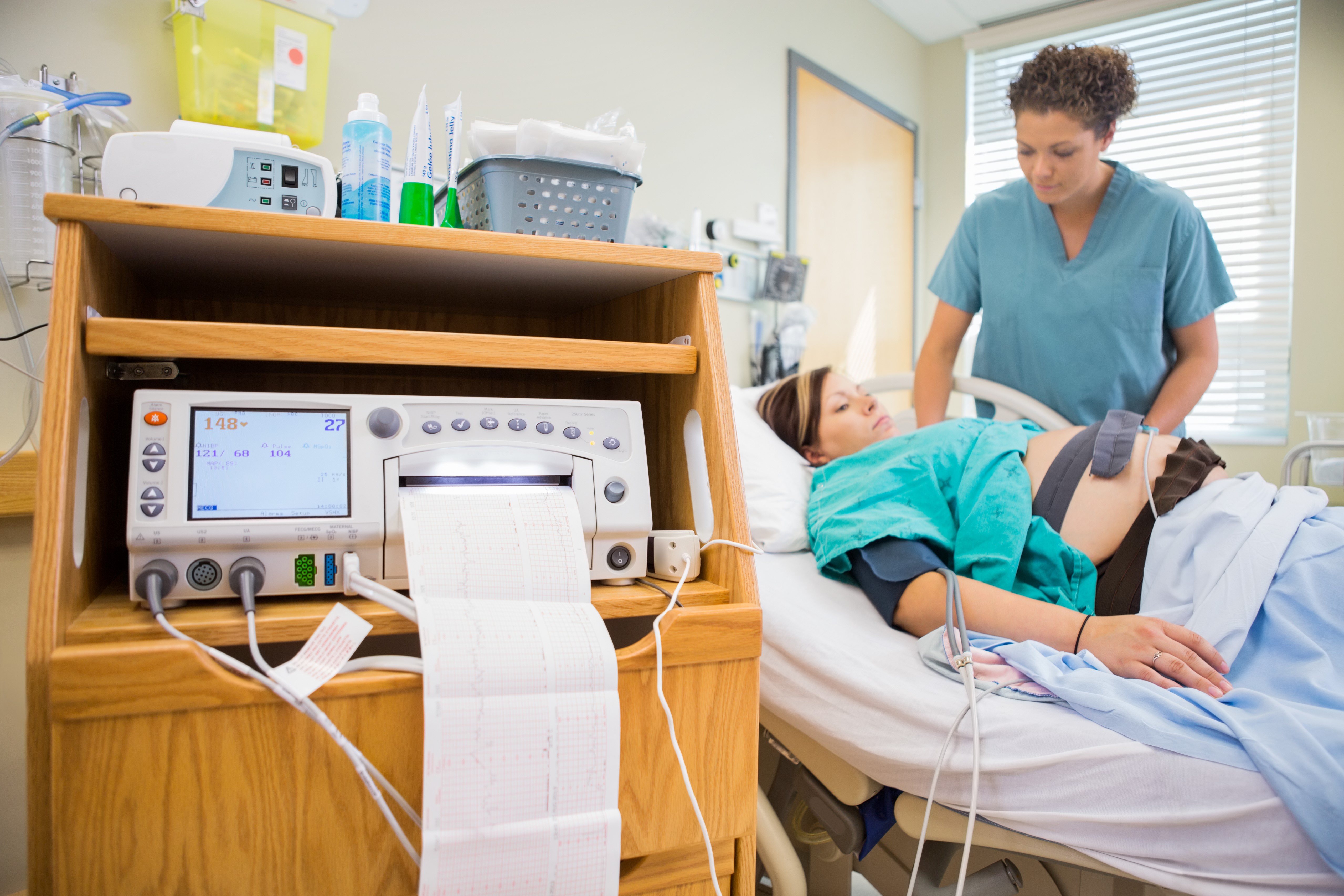
The Role Of Fetal Heart Monitoring In Identifying The Need For A C Section Nurse Paralegal Usa

Hypoxic Ischemic Encephalopathy Hie Fetal Monitoring Errors

Fetal Decelerations What Is It Causes And More Osmosis


Comments
Post a Comment